Opal Crystal Grids with Solfeggio Frequencies: A Step-by-Step Guide
Share
Introduction: Why Pair Opal with Solfeggio Tones?
If you have recently acquired an opal and are exploring crystal grids, you may wonder how to combine the stone's shifting play of color with the specific tones of solfeggio frequencies. This article offers a practical, step-by-step guide for building an opal-based crystal grid that incorporates those frequencies as an intentional focus. We will cover the gemological reality of opal, the cultural and modern spiritual associations that make it a popular grid stone, and how to pair it with solfeggio tones in a way that respects both traditions and your own creativity.
Crystal grids are arrangements of stones laid out in geometric patterns, often used in meditation, intention setting, or decorative altar work. Solfeggio frequencies are a set of tones that some people use in sound-based spiritual practice. They are not scientifically proven to have special healing powers, but they can serve as focal points for mindfulness and personal reflection. When combined with opal, the grid becomes a personal symbolic tool.
Understanding Opal: Gemological Facts vs. Metaphysical Beliefs
What Opal Actually Is
Before using opal in any spiritual practice, it helps to know what it is physically. Opal is a mineraloid composed of hydrated silica. Unlike most gemstones, it lacks a crystal structure, which is why it is called a mineraloid. Its chemical formula is SiO₂·nH₂O, and its water content typically ranges from about 3% to 21%. Opal forms when silica-rich water fills gaps in rocks and then evaporates or gels over long periods. The famous play-of-color seen in precious opal results from the diffraction of light through microscopic silica spheres arranged in a grid-like pattern. This is not an energy-related effect but a physical optical phenomenon.
Opal has a Mohs hardness of about 5.5 to 6.5, making it softer than many gemstones. It is also more fragile because of its water content. Common opal lacks play-of-color, while fire opal shows warm orange to red body color. There are several varieties, including white opal, black opal, boulder opal, and crystal opal. Most opal on the market is stabilized (often with resin or oil) or treated to enhance durability. Some is synthetic, and imitations exist. A responsible seller should disclose such treatments, as they can affect care and value.
Spiritual and Symbolic Meanings
Historically, opal has been associated with hope, purity, and creativity in various cultures. The ancient Romans prized it as a symbol of love and hope, while some later traditions linked it to bad luck, a superstition that likely arose from a novel by Sir Walter Scott. In modern metaphysical circles, opal is often described as a stone of emotional amplification, imagination, and spontaneity. It is said to encourage inspiration and to help one express their true self. These are cultural and personal beliefs, not scientific facts.
In crystal healing traditions, opal is often paired with the heart chakra or the crown chakra, depending on the variety and the practitioner's system. However, no single universal chakra association exists. Because opal is linked to emotional expression and creativity, it is often chosen for grids meant to support those qualities.
Solfeggio Frequencies: What They Are and How They Are Used
Solfeggio frequencies are specific tones that are part of an ancient musical scale known as the solfeggio scale. The six main tones are: 396 Hz (liberating guilt), 417 Hz (facilitating change), 528 Hz (miracles and transformation), 639 Hz (connections and relationships), 741 Hz (expression and solutions), and 852 Hz (returning to spiritual order). Some traditions also include 174 Hz and 963 Hz. These frequencies have been incorporated into modern sound healing practices, though there is no scientific evidence that they have intrinsic healing powers. They may, however, affect mood, relaxation, or focus through the general effects of music and intention.
When using solfeggio tones with a crystal grid, you might play a recording of the frequency while meditating, or you might simply focus on the concept associated with the tone. The tone and the stone work together as focal points, not as medical devices.
The Opal and Solfeggio Crystal Grid Tutorial
Step 1: Set Your Intention
Begin by reflecting on what you wish to explore or invite into your life. For example, if you are working with the 528 Hz frequency, you might focus on personal transformation or releasing old patterns. Your intention should be specific and positive, phrased as an affirmation. For instance, instead of saying "I want to be less anxious," say "I am open to calm and clarity in my daily life." Write this intention on a piece of paper to place at the center of your grid.
Step 2: Choose Your Grid Layout
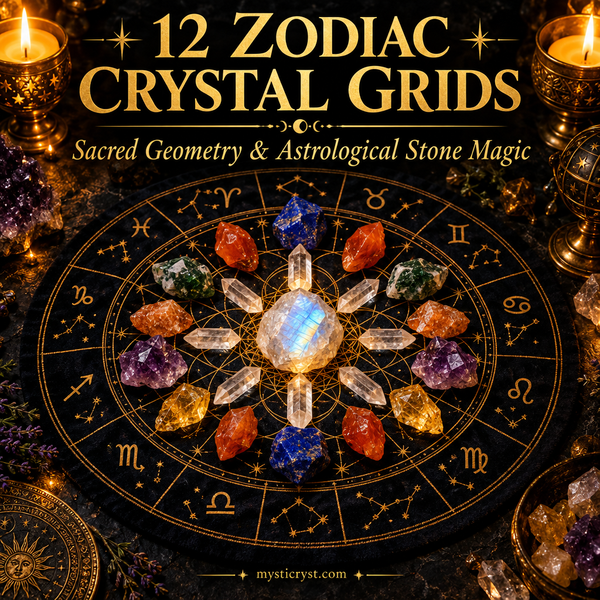
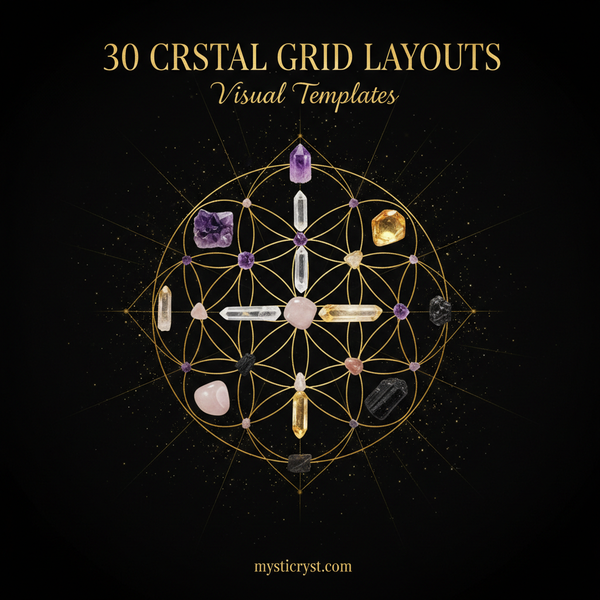
A common grid pattern is a six-pointed star (hexagram) or a flower of life. For this tutorial, we will use a simple radial pattern with a central stone and six surrounding stones. If you have several opals, you can place one in the center and six around it. If you only have one opal, use it as the central stone and place other stones or even small objects like candles or shells around it. The exact pattern is less important than your intentional arrangement.
Step 3: Select Complementary Stones
While opal is the featured gem, you may want to include additional stones that correspond to the solfeggio frequency's theme. This is based on traditional crystal lore, not science. For example, for 528 Hz (transformation), you might choose clear quartz to amplify clarity, or orange calcite to encourage creative expression. For 639 Hz (relationships), rose quartz or rhodonite might be appropriate. Use books or reputable crystal websites to learn about associations, but trust your own resonance as well.
Step 4: Arrange Your Grid
Find a clean, quiet space. Place a piece of cloth or a wooden board to define your grid area. If you use a printed grid template, you can lay it underneath. Start by placing your written intention in the center, then place your central opal on top. Then, place the surrounding stones one by one, moving outward in a spiral or from east to west. As you place each stone, you might speak a word of affirmation or simply hold your intention in your mind.
Step 5: Activate the Grid with Solfeggio Tones
Once your grid is arranged, you can activate it by playing a recording of the solfeggio frequency you are working with. Alternatively, you might hum or chant the tone yourself, or simply visualize the sound as a color that fills the room. Begin at the center and use your finger or a crystal wand to trace the lines between the stones, connecting them energetically. This is a symbolic action, not a physical necessity.
Step 6: Meditate with Your Grid
Sit comfortably near your grid. Close your eyes, breathe deeply, and focus on the sound or the intention. You might imagine light flowing through the opals and the written words. Allow any thoughts or emotions to arise without judgment. After 10 to 20 minutes, gently return your attention to the room. You can leave the grid in place for several days or weeks, or you can dismantle it after each session.
Reflective Exercise: Journal Prompts
After your meditation, journaling can deepen your experience. Use these prompts as starting points:
- What emotions surfaced as I focused on my intention?
- How does the shifting play-of-color in opal mirror my own changing thoughts?
- What specific action can I take this week to support my intention in the physical world?
These prompts help you connect the symbolic practice to practical steps.
Caring for Your Opal
Because opal is relatively soft and contains water, it requires careful handling. Follow these guidelines to protect your stone:
- Avoid prolonged exposure to direct sunlight or heat, which may cause cracking or loss of play-of-color.
- Keep opal away from harsh chemicals, perfumes, and household cleaners.
- Do not soak opal in water, as some stabilized opals can be damaged.
- Clean with a soft, damp cloth and dry immediately.
- Store opal separately to avoid scratches.
If you choose to cleanse your opal for spiritual purposes, do so with a mild method. You might place it on a dish of dry rice for a few hours, use a soft brush with gentle dry brushing, or set it in moonlight for a short time. Avoid saltwater, burying, or smoke from strong incense, as these may damage or dull the surface.
Misconceptions and Safety Considerations
It is important to recognize that crystal grids and solfeggio frequencies are practices rooted in spiritual traditions and personal experience, not science. They do not replace medical or psychological care. If you are dealing with a health condition or emotional distress, seek professional help. Using an opal grid may provide a calming ritual, but it is not a treatment.
Be aware that metaphysical properties of opal and solfeggio frequencies are not universally agreed upon. Some practitioners do not use opal in grids because they find it too erratic or "unstable." Listen to your own experiences and choose what feels supportive. Also, know that crystal healing beliefs are modern constructions that draw from various cultures, but they do not represent a single ancient universal practice.
Another misconception is that opal's play-of-color has a spiritual vibration. In reality, it is a physical optical effect. That does not diminish its symbolic value, but it is honest to know the difference.
Selecting an Opal for Your Grid
When choosing opal for a grid, consider color, size, shape, and durability. Precious opal with vivid play-of-color may cost more, but common opal or fire opal can still serve as a beautiful focus. Mexican fire opal, with its warm orange hue, might resonate with creativity and transformation. Australian black opal is prized for its dark background. The finish is important: a polished cabochon is easier to handle than a rough, irregular piece. Always ask if the opal is natural, treated, or synthetic. Synthetic opal can have identical physical properties but is created in a lab; whether that affects its spiritual use is a personal choice. For grid work, any size is fine, but a central stone that is not too small to see comfortably is often preferred.
Check for surface cracks or crazing, which can affect durability. Look for a seller who provides care instructions and is transparent about treatments.
Conclusion: Using Opal and Solfeggio Responsibly
An opal crystal grid paired with solfeggio frequencies can be a meaningful practice for meditation, personal reflection, and intention setting. The natural beauty of opal and the soothing quality of sound can help you create a personal ritual that supports your growth. Remember to separate physical facts from spiritual beliefs, treat opal with care, and define intentions that lead to real-world actions. In doing so, you honor both the stone and your own agency.