Kornerupine in Gemini Season: A Zodiac-Inspired Grid for Grounded Communication
Share
Why Kornerupine Belongs in Your Meditation and Grid Practice
If you have recently discovered kornerupine, you are likely one of the few gemstone enthusiasts who has moved past the usual quartz and amethyst into the quieter, more unusual members of the mineral kingdom. This olive-green to brownish stone is not a household name, and that is precisely why it attracts people who want their spiritual tools to match their specific intentions. In the world of metaphysical practice, kornerupine is often described as a stone of grounded communication, compassionate clarity, and steady emotional release. But what does that mean in practice, especially if you are building a meditation routine or laying out a crystal grid?
This article explores kornerupine through the lens of Gemini season, the zodiac sign most associated with communication, curiosity, and mental agility. You will learn what kornerupine actually is in gemological terms, how modern crystal-healing traditions interpret its energy, and how to create a simple but meaningful meditation and crystal grid practice that honors both the stone and the astrological moment. Whether you are a seasoned grid builder or a curious beginner, the goal here is to offer specific, responsible, and culturally aware guidance.
Kornerupine: A Gemological Snapshot
Before diving into spiritual interpretations, it helps to know what kornerupine is on a physical level. Kornerupine is a borosilicate mineral with the chemical formula (Mg,Fe)4(Al,Fe)6(SiO4)6(BO3)2O4. It was first described in 1884 and named after the Danish geologist Johannes Lorenzen, who studied it from a deposit in Greenland. The mineral typically forms in prismatic crystals and belongs to the orthorhombic crystal system. On the Mohs hardness scale, kornerupine ranges from 6 to 7, making it durable enough for jewelry but still needing reasonable care.
Gem-quality kornerupine is rare. Most commercial kornerupine comes from Sri Lanka, Madagascar, and Tanzania, with occasional finds in Canada and Greenland. The color ranges from pale yellow-green to deep olive green, and sometimes brownish or even colorless. Some kornerupine exhibits a chatoyant effect known as cat's eye, which is prized by collectors. Because it is uncommon, most people encounter kornerupine as a polished tumble stone, a faceted gem, or a raw crystal. There is no major market for synthetic kornerupine, but you should always ask your seller about treatments and origin, as with any gemstone.
The important point for your spiritual practice is that kornerupine is a natural, distinct mineral, not a marketing invention. Its physical rarity mirrors its esoteric reputation as a stone for those seeking depth rather than flash. In crystal healing literature, its olive-green color is often associated with the heart chakra, but as you will see, its uses extend beyond that simple classification.
The Zodiac Connection: Gemini and the Need for Grounded Dialogue
Gemini, the third sign of the zodiac, is ruled by Mercury and is traditionally associated with communication, adaptability, and intellectual curiosity. People with strong Gemini placements are often quick-witted, talkative, and mentally restless. They thrive on exchanging ideas, learning new things, and connecting with others through language. However, Gemini energy can also scatter attention, overthink, and struggle to stay grounded in one topic or feeling.
In astrological terms, kornerupine is not a traditional stone for Gemini. The traditional Gemini stones include agate, beryl, and citrine in some systems. Kornerupine was not known to ancient astrologers, so its association with Gemini is a modern, intuitive correspondence. Modern crystal practitioners often link stones to zodiac signs based on color, crystal system, and perceived energetic qualities. Kornerupine's olive-green color resonates with the heart and throat chakras, which are both involved in honest, compassionate communication. Its grounding, earthy appearance also helps balance Gemini's airy tendency to live in the head.
If you are meditating during Gemini season, which typically runs from late May to late June, you might be feeling extra talkative, socially active, or mentally buzzing. Kornerupine can serve as a symbolic anchor, reminding you to slow down, listen fully, and speak with intention. This is not a claim that the stone physically alters your brain or energy field, but rather that its presence in your ritual can influence your mindset through focus, symbolism, and tactile awareness.
Kornerupine in Meditation: Techniques for Mindful Presence
Meditation with kornerupine does not require elaborate preparations. The stone's muted color and smooth surface make it an excellent focal point for attention. Here are several ways to incorporate it into your practice.
Simple Breath Awareness with Kornerupine
Hold a kornerupine tumble or raw piece in your non-dominant hand. Sit comfortably with your spine straight. Close your eyes and bring your awareness to the weight, temperature, and texture of the stone. As you inhale, imagine that you are drawing in quiet clarity, and as you exhale, imagine releasing mental chatter. Do this for five to ten minutes. You are not asking the stone to do anything; you are using it as a physical anchor for your breath. This is a mindfulness technique that can help reduce anxiety and improve focus, according to psychological research on mindfulness practices. The stone itself has no proven effect, but the ritual of holding it can heighten your awareness of the present moment.
Kornerupine and the Throat-Heart Bridge
In modern crystal healing, kornerupine is sometimes called a bridge between the heart and throat chakras. The idea is that it encourages you to speak from a place of empathy rather than reaction. To meditate on this, place a kornerupine on your sternum and another on your throat, or simply hold one to your chest. Close your eyes and recall a recent conversation that felt difficult. Notice any tightness in your chest or throat. Breathe into that area, and as you exhale, imagine the kornerupine absorbing any tension. Then, silently or aloud, state an intention: "I speak with kindness and clarity." This is a reflective exercise, not a therapy, but it can help you practice emotional regulation and communication skills.
Journaling with Kornerupine
Keep a kornerupine on your desk or journal. Before writing, spend a minute looking at the stone and noticing its layers and inclusions. Then write freely about a conversation that has been on your mind. What did you wish you had said? What do you need to say next? The stone serves as a tactile reminder to approach your words with honesty and compassion. This practice combines ritual and self-reflection, which can improve communication planning and reduce impulsive expressions.
Building a Crystal Grid with Kornerupine for Gemini Season
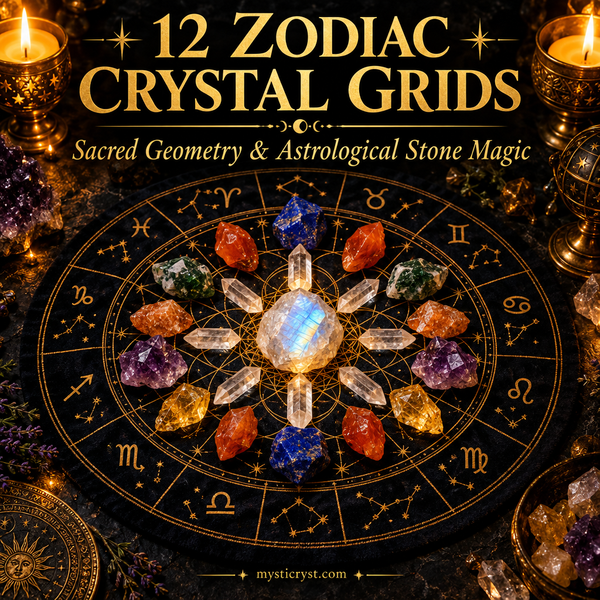
A crystal grid is a deliberate arrangement of stones, often in a geometric pattern, that practitioners use to focus intention. There is no scientific evidence that grids affect external events, but many people find them helpful for setting intentions and maintaining mindfulness. If you want to create a grid for the theme of grounded communication, kornerupine can be the center stone.
Choose Your Grid Layout
For this intention, a simple flower-of-life or hexagon pattern works well because it symbolizes balance and interconnection. However, you can also use a simple triangle with one kornerupine at each point. The exact shape is less important than your focus while arranging the stones.
Suggested Stones to Pair with Kornerupine
- Blue lace agate: a modern stone associated with calm speech and self-expression.
- Rose quartz: a classic stone for unconditional love and compassion, often used to open the heart to others.
- Clear quartz: a versatile amplifier that many practitioners use to magnify the intention of the grid.
- Green calcite: often associated with releasing old emotional patterns and promoting freshness.
These stones are not required, but they share common color and energetic associations that complement kornerupine. As you place each stone, you can repeat your intention aloud or silently. For example: "I listen fully. I speak with care. My curiosity brings connection." The grid becomes a physical representation of your commitment to mindful communication.
Activating the Grid
Once your grid is arranged, you can "activate" it by touching each stone with a wand or your fingertips and stating your intention again. Then leave the grid in a place where you will see it daily during Gemini season. You might also place a photo or a written goal in the center. Remember, the grid is a tool for reflection, not a guarantee of outcomes. It can serve as a visual prompt to pause before you speak, which is a real and observable behavioral change.
How Long to Keep the Grid Active
You can keep your grid active for the entire Gemini season or just for a week. Some practitioners prefer to dismantle and cleanse the stones after the full moon or on a Sunday. Choose a timeline that feels meaningful to you. The important thing is that you revisit the grid regularly, even if only for a minute, to renew your intention.
Selection, Care, and Authenticity: Practical Tips
Because kornerupine is rare, you need to be careful when purchasing. Here are some pointers that blend gemological facts with practical buying advice.
What to Look For
- Color: Deep olive green is the most common and most sought-after color in metaphysical circles. Some stones are more yellow or brown. Trust your personal resonance rather than chasing a specific hue.
- Clarity: Faceted kornerupine often has visible inclusions, which are natural. For meditation, small inclusions do not matter. For jewelry, you may prefer cleaner stones.
- Treatments: There is no widely used treatment for kornerupine, but heating may improve color in some cases. Always ask if the stone has been treated or enhanced. A reputable seller should be transparent.
- Origin: Knowing the origin is useful for provenance but does not affect spiritual properties. Some practitioners feel a connection to stones from certain regions, but that is a personal choice
Care and Cleansing
Kornerupine is moderately durable, but it can still be scratched by harder minerals like topaz or diamond. Store it separately from other gems in a soft cloth or a compartmented box. Clean gently with warm water and mild soap, using a soft brush. Avoid ultrasonic cleaners and steamers, as these can damage stones that have inclusions or fractures. Also avoid prolonged exposure to direct sunlight, which may fade the color of some specimens. Do not soak kornerupine in salt water, as this can damage the polish and any metal in your jewelry. Similarly, avoid harsh chemicals and abrasive powders.
For spiritual cleansing, you can hold the stone under running water for a few seconds (but not if the stone is in a silver or copper setting that might tarnish). Alternatively, you can use a gentle smoke from incense, but be mindful that smoke residue can dull the surface. Many practitioners simply place the stone in moonlight for a night or on a bed of dry rice. The rice method is easy, but discard the rice afterward. The key point is that these are symbolic acts chosen by you, not scientific necessities. If you prefer not to cleanse your stones at all, that is also valid in many traditions.
Misconceptions and Boundaries: What Kornerupine Does Not Do
As with any crystal, there are misconceptions about kornerupine. Some online sellers claim that it can heal physical ailments or banish anxiety instantly. Please treat such claims as marketing, not evidence. There is no scientific proof that kornerupine or any gemstone can diagnose, treat, cure, or prevent any disease, including mental health conditions. If you are experiencing serious emotional distress, please seek help from a licensed therapist or healthcare provider. Crystals can be a meaningful addition to a wellness routine, but they are not a replacement for professional care.
Psychologically, holding a stone and setting an intention can create a placebo effect or a shift in mindset. This can be beneficial for motivation and self-reflection. The practice of using a grid can also serve as a daily reminder of your goals, which is a behavior-change technique supported by research. But these benefits stem from your actions and beliefs, not from the mineral itself. The stone is a tool, not an agent.
Another misconception is that kornerupine is a traditional stone associated with specific deities or ancient cultures. This is not documented. Its metaphysical reputation is modern, emerging from the late 20th century crystal movement. If you read that an ancient civilization used kornerupine, be skeptical. New Age authors often retroactively assign meanings to stones that were not historically linked. Approach such claims with curiosity and critical thinking.
A Guided Meditation and Grid Practice for Gemini Season
Here is a complete practice you can follow during Gemini season or any time you feel the need for grounded communication. You will need one kornerupine stone, three to five additional stones of your choice, and a quiet space.
- Set the stage: Sit at a table or on a mat. Place a small cloth in front of you. Lay out your stones in the center.
- Center yourself: Take three deep breaths. Exhale any tension in your jaw and shoulders.
- Hold kornerupine: Pick up your kornerupine and close your eyes. Notice its weight and texture. Think of one conversation you want to improve, either in the future or from the past.
- Speak your intention: Aloud or silently, say: "I ground my words in kindness. I listen before I speak. I communicate with clarity."
- Arrange the grid: Place kornerupine in the center. Surround it with your chosen companion stones in a pattern you like. As you place each stone, say a word that represents a quality you bring to communication, such as "patience," "honesty," or "empathy."
- Rest and reflect: After arranging, take five minutes to sit quietly and breathe. You can also write a short note about what you will do differently in your next conversation.
- Close the practice: You can leave the grid in place for up to a week. Each morning, spend a few seconds looking at it and remembering your intention. At the end of the week, take apart the grid, thank the stones (if that feels meaningful to you), and cleanse them if you wish.
This practice is flexible. You can adapt it to a daily meditation by simply holding the stone for two minutes. You can also carry kornerupine in your pocket before a difficult conversation, using it as a tactile reminder to breathe before responding. The physical touch can serve as a cue to pause, which is a well-known technique for reducing impulsive reactions.
Conclusion: Kornerupine as a Companion for Mindful Expression
Kornerupine may not be the most famous crystal, but its olive-green hues and rare beauty make it a meaningful companion for those working on communication and grounding. Whether you are drawn to it during Gemini season or simply because you love its quiet energy, you can use it in meditation, journaling, and crystal grids as a focal point for your intentions. Its gemological identity is clear, and its metaphysical associations are modern but poignant, centered on honesty, compassion, and clarity.
Remember to pair your spiritual practice with real-world actions: prepare for difficult conversations, listen actively, and choose your words thoughtfully. The stone can be a helpful symbol, but the change comes from you. Certified gemologists and psychologists would both agree that the true power lies in your intention and behavior, not in the mineral itself. That does not diminish the practice; it makes it more authentic and empowering.
So go ahead, find a kornerupine that speaks to you, set up your grid, and enjoy the process of growing as a communicator. The stone will be there to remind you of your commitment.